
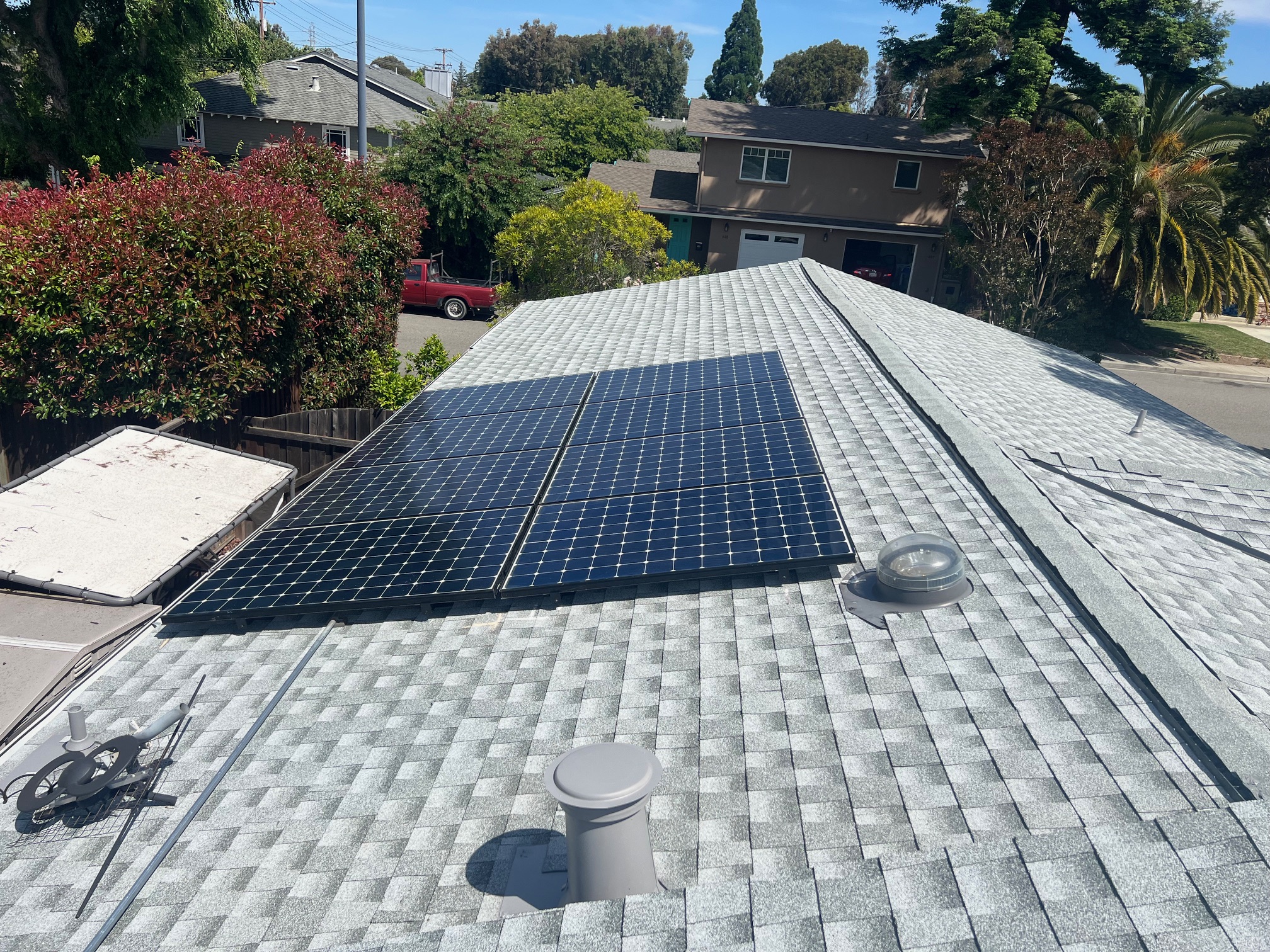
Replacing a roof is more complicated when solar panels are already installed, but it is a common and manageable project when the roofing and solar work are planned together.
The solar panels must be safely disconnected and removed before the old roof can be torn off. After the new roof is installed, the panels are reinstalled, connected, tested, and returned to service.
The biggest mistake is treating the roof replacement and solar work as two unrelated projects. Poor coordination can lead to delays, damaged equipment, roof leaks, warranty questions, and disagreements over which contractor is responsible.
Home Pro Roofing and Solar coordinates the entire process for homeowners in Santa Clara and San Mateo counties. We evaluate the existing solar system, remove and store the equipment, replace the roof, reinstall the panels, and coordinate applicable permits and inspections.
This guide explains the process of solar panel removal and replacement, typical costs, permit requirements, project timing, and important questions to ask before hiring a contractor.
Can You Replace a Roof That Already Has Solar Panels?
Yes. A roof can be replaced when solar panels are installed, but the panels cannot remain in place during the roofing work.
The roofing contractor needs clear access to the entire roof surface so the crew can:
- Remove the old roofing materials
- Inspect the roof deck
- Replace damaged wood when needed
- Install new underlayment
- Install flashing and edge metal
- Correct ventilation issues
- Install the new roofing system
- Properly waterproof every new solar attachment point
Trying to roof around the panels prevents a complete tear-off and makes it difficult to inspect and waterproof the roof correctly.
The solar system will temporarily stop producing electricity while the panels are removed. Production resumes after the panels are reinstalled, connected, and tested.
Why Roof and Solar Planning Should Begin Together
Solar panels can remain in service for many years. If they are installed over an aging roof, the roof may need replacement while the solar system is still operating.
That creates a second project and an added expense that may have been avoided by evaluating the roof before the original solar installation.
Before installing new solar, the contractor should review:
- The roof’s approximate age
- Visible leaks or water damage
- Cracked, curled, or missing shingles
- Granule loss
- Soft or damaged roof decking
- Existing flashing
- Roof ventilation
- Remaining roof life
- Whether the roof material is compatible with the planned solar mounting system
A roof does not automatically need replacement simply because it is older. Its actual condition matters. However, installing a new solar system over a roof that is near the end of its useful life often creates a larger future cost.
Home Pro can evaluate the roof replacement and solar project together, even when the work has separate scopes, permits, warranties, and inspections.
The Roof Replacement and Solar Reinstallation Process
A well-coordinated solar lift and replace project should follow a clear sequence.
Step 1: Review the Roof and Existing Solar System
Before work begins, Home Pro reviews:
- The roof condition and roofing material
- The number and location of solar panels
- The racking and mounting system
- Visible wiring, conduit, and electrical equipment
- The inverter or microinverter system
- Battery equipment, when present
- Roof access and storage options
- Whether the solar system is owned, financed, leased, or under a PPA
We also identify equipment that appears damaged, corroded, outdated, or incompatible with the new roofing system.
This evaluation allows the roofing and solar work to be planned before the panels come off.
Step 2: Confirm Ownership and Required Approvals
An owned solar system is usually the most straightforward.
A leased system or PPA system may require written approval from the system owner before another contractor can disconnect, remove, or reinstall the equipment.
The homeowner should confirm:
- Who legally owns the solar equipment
- Whether prior approval is required
- Whether the original provider requires its own contractor
- Whether an inspection is required before or after the work
- What documentation is needed
- Whether the work affects any service or performance agreement
- Who is responsible for costs
Do not assume that a roofing contractor may work on third-party-owned equipment without permission.
Step 3: Prepare Plans and Permits
Permit requirements vary by city and by the exact scope of work.
The roof replacement may require a roofing permit. The solar removal and reinstallation may require a separate solar or electrical permit, plan set, inspection, or other documentation.
If the system design, panel count, inverter, battery, electrical equipment, or system size changes, additional design or utility approval may also be required.
Home Pro checks the requirements for the property and coordinates the applicable submittals and inspections.
Step 4: Shut Down and Document the Solar System
Before removal, the solar system is safely shut down.
The crew documents:
- Panel placement
- Panel identification
- Wiring and connectors
- Racking layout
- Roof attachment points
- Conduit routes
- Inverter or microinverter configuration
- Visible equipment condition
Good documentation helps the crew return the system to the correct layout after the roofing work is complete.
Step 5: Remove and Store the Panels
The panels, racking components, wiring, and related equipment are carefully removed.
Panels are stored in a protected location on the property when practical. The storage plan depends on site access, available space, project length, equipment condition, and homeowner needs.
The crew should never stack or handle panels in a way that could damage the glass, frames, wiring, connectors, or internal cells.
Step 6: Tear Off the Existing Roof
Once the solar equipment is removed, the roofing crew tears off the old roofing materials.
This exposes the roof deck and allows the contractor to inspect conditions that were not visible before demolition.
Possible conditions may include:
- Rotted or damaged decking
- Previous leak damage
- Improper repairs
- Damaged fascia
- Poor ventilation
- Old or failed flashing
- Extra roofing layers
- Abandoned penetrations
Any additional work should be documented and priced according to the roofing agreement.
Step 7: Install the New Roofing System
The new roof is installed with the appropriate:
- Roof-deck repairs
- Underlayment
- Flashing
- Edge metal
- Ventilation
- Roofing material
- Manufacturer-required components
- Waterproofing at all penetrations
Home Pro installs composition shingles, reflective cool-roof shingles, TPO roofing for qualifying low-slope roofs, and standing-seam metal roofing.
Step 8: Review Flashing, Mounts, and Racking
The new roof should not simply reuse every old attachment without inspection.
Depending on the existing system, the project may require:
- New flashing
- New roof mounts
- Replacement seals or waterproofing components
- Updated racking hardware
- Replacement of damaged or corroded parts
- Changes required for the new roofing material
- Removal of abandoned attachment points
The goal is to create secure solar attachments without compromising the new roof.
Step 9: Reinstall and Clean the Solar Panels
After the roof is ready, the solar equipment is reinstalled.
The panels are returned to their planned locations and connected using compatible hardware. Accessible dirt and buildup may be cleaned from the panels before they are placed back into service.
Any changed panel layout or equipment upgrade must be reflected in the approved project documents when required.
Step 10: Test and Return the System to Service
The system is tested after reinstallation.
The final process may include:
- Visual equipment inspection
- Connector and wiring review
- Inverter or monitoring verification
- System startup
- Production testing
- Battery-system verification
- City inspection, when required
- Utility coordination, when required
Homeowners should confirm that their monitoring application is reporting production after the project is complete.
How Much Does It Cost to Remove and Reinstall Solar Panels?
Home Pro’s current pricing generally runs between $200 and $300 per panel.
A typical 20-to-25-panel system may cost approximately $4,000 to $7,500 for removal and reinstallation.
These amounts are separate from the cost of the roof replacement.
| Project Item | Typical Cost or Treatment | What Can Affect the Price |
|---|---|---|
| Solar panel removal and reinstallation | Approximately $200 to $300 per panel | Panel count, roof height, roof pitch, access, racking type, equipment age, wiring, and system condition |
| Typical 20-to-25-panel system | Approximately $4,000 to $7,500 | Final price depends on the system design and whether equipment must be repaired or replaced |
| Solar plan set | Commonly around $250 | Design complexity, system changes, and local requirements |
| City permit fees | Varies by jurisdiction | City fee schedules, project scope, inspections, and electrical work |
| Replacement hardware | Priced as needed | Damaged flashing, corroded racking, broken connectors, wiring repairs, new mounts, and critter guards |
| Roof replacement | Quoted separately | Roof size, material, pitch, layers, access, decking repairs, flashing, and ventilation |
These are general pricing ranges, not a guaranteed quote. Every project should receive a written proposal based on the actual roof and solar system.
What Can Increase the Cost?
Several conditions can make removal and reinstallation more difficult.
These may include:
- A steep or multi-story roof
- Limited access around the home
- A large number of panels
- Fragile or damaged panels
- Older or discontinued racking
- Corroded mounting hardware
- Damaged connectors or wiring
- Complicated conduit routes
- Multiple roof levels
- Tile or specialty roofing
- A battery or complex backup system
- Critter guards that must be removed and replaced
- A leased or PPA system requiring outside approval
- Changes to the system design
- New electrical equipment
- Off-site storage requirements
- Delays caused by permits or inspections
A proper estimate should explain what is included and identify which conditions could result in additional charges.
How Long Does the Project Take?
The actual schedule depends on the roof size, solar-system size, weather, permits, inspection availability, and whether damaged equipment or roof decking is discovered.
A typical sequence may include:
- One to two working days for solar removal
- Several working days for the roof replacement
- One to two working days for solar reinstallation and testing
Many straightforward combined projects can be completed in approximately five to seven working days once fieldwork begins.
Permit review, plan preparation, city inspections, equipment replacement, and utility requirements can extend the overall calendar schedule.
The solar system will not produce electricity while the panels are removed.
Homeowners should not be promised an exact completion date until the project scope, city requirements, weather, and equipment condition are understood.
Do You Need a Permit?
Permit requirements vary by city and project.
A roof replacement and solar removal-and-reinstallation project may involve:
- A roofing permit
- A solar or electrical permit
- A solar plan set
- A roof-deck or nail inspection
- A roofing final inspection
- A solar or electrical final inspection
- Utility documentation when the system design changes
The roof and solar work should not be described as sharing one permit or one inspection. They may be coordinated as one project, but each part may have its own requirements.
Home Pro checks the requirements with the applicable building department and includes permit responsibilities in the written proposal.
For local information, homeowners can also review Home Pro’s service pages for Sunnyvale, Palo Alto, and San Mateo.
Owned, Financed, Leased, and PPA Solar Systems
The system’s ownership structure affects who can approve and perform the work.
Homeowner-Owned Solar
If the homeowner owns the solar system, Home Pro can usually coordinate the removal and reinstallation directly.
The contractor should still review:
- Manufacturer warranties
- Original installation documents
- Existing equipment condition
- Monitoring access
- Electrical requirements
- Permit requirements
Solar Financed With a Loan
A solar loan generally means the homeowner owns the equipment, but an equipment filing may still exist while the loan is unpaid.
The homeowner should review the loan documents and confirm whether the lender requires notice.
Solar Lease or PPA
With a lease or PPA, the solar equipment is owned by a third party.
The agreement may restrict who can:
- Disconnect the system
- Remove the panels
- Store the equipment
- Reinstall the panels
- Replace components
- Change the panel layout
- Restart the system
Written approval may be required before roofing work begins.
Some providers may require their own contractor, inspection, forms, or fees. Those requirements should be confirmed before the roof project is scheduled.
What if the Original Solar Installer Is No Longer in Business?
The closing of the original installer does not necessarily mean the solar system cannot be removed and reinstalled.
The homeowner should gather:
- The original solar contract
- Panel and inverter information
- Warranty documents
- Permit records
- Utility interconnection documents
- Monitoring login information
- Loan, lease, or PPA documents
- Any available plans or system diagrams
The equipment manufacturer, lender, PPA owner, or another authorized service company may still have responsibilities even when the original installer is gone.
Home Pro can evaluate the physical system and explain the roofing and reinstallation scope. Contract, financing, and warranty rights depend on the homeowner’s original agreements.
Should You Reuse the Existing Panels and Racking?
Many solar panels can be reused if they are in good condition and remain compatible with the system.
Before reinstalling, the contractor should look for:
- Cracked glass
- Damaged frames
- Loose connectors
- Damaged wiring
- Visible corrosion
- Water intrusion
- Failed microinverters
- Discontinued or incompatible parts
- Evidence of poor previous installation
The existing racking may also be reusable, but old flashing, seals, roof attachments, and damaged hardware should not be reused simply to save money.
Replacement depends on the equipment condition, roofing material, manufacturer requirements, and approved system design.
Is Reroofing a Good Time to Add a Battery or Upgrade Solar?
It can be.
When the solar system is already being disconnected and the project is being planned, it may be practical to evaluate additional improvements.
Add Battery Backup
Battery storage can save solar energy for evening use and may provide backup power when the system is designed for outages.
The right battery size depends on:
- Household energy use
- Utility rate plan
- Solar production
- Desired backup circuits
- Length of backup desired
- Electrical panel capacity
- Available installation location
- Budget
Add an EV Charger
A coordinated project may also be a convenient time to install a Level 2 EV charger, especially when other electrical work is already planned.
Replace an Aging Inverter
An older or failing inverter can be evaluated while the system is offline. Replacement may require updated plans, permits, compatibility review, and utility coordination.
Upgrade the Solar Panels
Older panels should not automatically be replaced merely because they have been removed.
An upgrade may make sense when:
- Several panels are damaged
- Replacement parts are unavailable
- The existing system is too small
- New household electrical loads are planned
- The homeowner wants more production
- The old layout no longer fits the roof
- The inverter or racking is incompatible
The cost of reusing the existing equipment should be compared with the cost and benefit of a new system.
What if You Need a Roof and Want to Add New Solar?
This is often the best time to coordinate both projects.
Replacing the roof first allows the new solar system to be installed over a complete, properly waterproofed roofing system.
Coordinated planning can help with:
- Solar-panel layout
- Roof vents and skylights
- Fire-access pathways
- Conduit routes
- Attachment locations
- Battery placement
- Electrical upgrades
- EV charging
- Roofing and solar schedules
- Separate permit and inspection requirements
One point of contact does not mean the roof and solar have identical warranties, contracts, permits, or financing. It means Home Pro coordinates the separate parts so the homeowner does not have to manage multiple unrelated contractors.
Choosing the Right Roofing and Solar Contractor
A reroof involving solar requires more than basic roofing experience.
Before hiring a contractor, ask:
- Is the contractor properly licensed for the work being performed?
- Who will disconnect and reinstall the solar equipment?
- Is the solar work included in the written contract?
- How will the panels be labeled and documented?
- Where will the equipment be stored?
- Who is responsible if a panel is damaged?
- Will old flashing and mounts be reused?
- How will the new roof be protected at attachment points?
- Who handles permits and inspections?
- Who tests and restarts the solar system?
- Who confirms monitoring is working?
- What happens if damaged equipment is discovered?
- How are added costs approved?
- Who is responsible for roof leaks near the solar mounts?
- Can the contractor work on leased or PPA equipment?
- Are liability and workers’ compensation insurance in place?
Homeowners can verify a California contractor’s license through the official CSLB Check a License tool.
Why Home Pro Coordinates Roofing and Solar Together
Home Pro Roofing and Solar has served local homeowners since 2006.
We coordinate:
- Solar-system evaluation
- Panel removal
- Equipment documentation
- Safe storage
- Roof replacement
- Solar reinstallation
- Updated flashing and mounting when required
- Permits and inspections
- System testing
- Battery and electrical upgrades
- EV charging
- Communication among the roofing, solar, and electrical teams
The homeowner has one main point of contact throughout the coordinated project.
Home Pro serves homeowners throughout Santa Clara and San Mateo counties, including Sunnyvale, Mountain View, Los Altos, Los Altos Hills, Saratoga, Palo Alto, Cupertino, Santa Clara, San Jose, Menlo Park, Redwood City, San Carlos, Belmont, Foster City, and San Mateo.
Frequently Asked Questions
How much does it cost to remove and reinstall solar panels for a roof replacement?
Home Pro’s current pricing is generally between $200 and $300 per panel. A typical 20-to-25-panel system may cost approximately $4,000 to $7,500. Roof replacement, permit fees, plan sets, and replacement equipment are priced separately.
How long will my solar system be turned off?
The system remains off while the panels are removed. Many homeowners experience several working days of solar downtime, but the exact time depends on the roof, solar system, inspections, weather, and equipment condition.
Does solar removal and reinstallation require a permit?
Permit requirements vary by city and scope. Many projects require a solar or electrical permit and plan set in addition to the roofing permit. Home Pro confirms the requirements for the property.
Can Home Pro work with a leased or PPA solar system?
Often, but the third-party owner may require prior approval, specific forms, its own contractor, or an inspection. The agreement must be reviewed before work is scheduled.
Will removing the panels void the solar warranty?
It depends on the warranty and agreement. Proper documentation, compatible parts, approved procedures, and any required owner authorization are important. No contractor should promise that every warranty will remain unchanged without reviewing the documents.
Can the existing solar panels be reused?
Usually, if they are in good condition and remain compatible with the racking, electrical system, roof layout, and approved design. Damaged or incompatible equipment may need repair or replacement.
Should the solar mounts and flashing be replaced?
Old mounts, flashing, seals, and hardware should be inspected. Damaged, corroded, incompatible, or worn components should be replaced as needed to protect the new roof.
Can I add a battery during the roof project?
Yes. A reroof and solar reinstallation project can be a practical time to evaluate battery storage because the solar and electrical work is already being coordinated. Battery design and permitting are separate parts of the project.
Can I add more solar panels during reinstallation?
Possibly. Adding panels changes the system design and may require new plans, permits, electrical review, utility approval, and compatible equipment.
Should I replace my roof before installing a new solar system?
When a roof is near the end of its useful life or has significant damage, replacing it before solar installation is often the cleaner long-term choice. The decision should be based on an actual roof evaluation, not age alone.
The Bottom Line
A roof replacement with existing solar panels requires careful coordination, but it does not have to become two disconnected projects.
The best results come from:
- Evaluating the roof and solar system before work begins
- Confirming who owns the solar equipment
- Securing any required approvals
- Preparing permits and plans
- Documenting the existing system
- Handling and storing panels correctly
- Installing a complete new roofing system
- Using compatible flashing and mounting hardware
- Testing the solar system after reinstallation
- Clearly assigning responsibility for every part of the work
Home Pro Roofing and Solar coordinates roof replacement, solar removal and reinstallation, battery storage, and related electrical work for homeowners throughout Santa Clara and San Mateo counties.
Learn more about Home Pro’s Solar Panel Removal and Reinstallation service, request a free estimate online, or call (800) 650-3134.